Taylor Swift ‘Breaks Up’ With Spotify, Pulling Entire Catalog
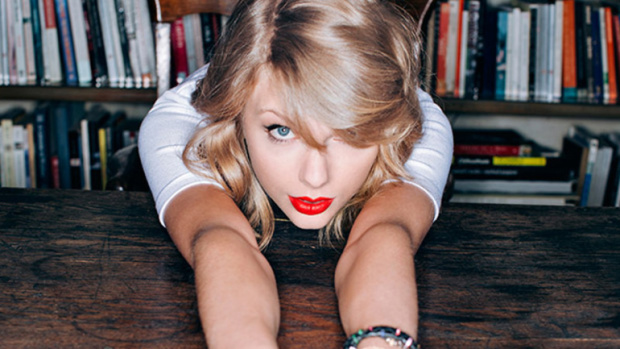
Taylor Swift announced another breakup just hours ago, November 3, and this time, it doesn’t involve any handsome new boyfriend in the tabloids, but something far more precious to the platinum-selling star. With her album “1989” poised to push past 1 million in sales by the end of its first week of release, Taylor took things several steps further, pulling her entire album catalog from the streaming subscription service, Spotify. To fans and bosses at the streaming site’s dismay, this may be more than a case of “Shake It Off,” and more like a “We Are Never Ever Getting Back Together.”
This is not the first time that Taylor has played hard to get with the service. She withheld “Red” for several months in 2012, and is known for putting her videos and songs up for free on YouTube. It doesn’t seem to be a matter of just the dollars, either, because according to BTIG analyst, Rich Greenfield, Swift was flying clear to making $1 million from the 70% that Spotify offers artists.
The issue may be more an artistic statement, setting boundaries that show she does not want her whole album available anywhere, until those who want it, buy it. The lanky lyricist with a knack for creating great hooks has no problem putting her words in prose to make a point. In her op-ed for “The Wall Street Journal,” she proclaims “Music is art, and art is important and rare. Important, rare things are valuable.
Valuable things should be paid for.” For its part, the subscription service put on a full-press “We love Taylor” campaign in its Monday blog. Fans miss Swift being readily available there, too, already launching a petition to woo her back. No doubt, her numbers will be missed, her songs being featured on 16 million playlists. The service strives to get $9.95 monthly subscription fees for loyal followers, and some say the Swift move will only drive listeners to free sources. From the songwriter’s view, this seems to be a merger of respect and artistic worth.
The artistic calling has always had weight with Swift, who notes, “if I didn’t write, I wouldn’t sing,” and she is apparently just as adept at managing her business affairs. She is sending out the word that she wants the body of her work to be respected, and if her songs matter, then make the commitment to buy her album. Sometimes, respect does come down to a matter of revenue, and Taylor Swift is a musical force to be reckoned with, streaming or spinning in a CD player.

 Sparx Entertainment