The Last Of Us – Season 2 Review: A Haunting Evolution of Humanity and Vengeance
 The Last of Us, Season 2 Poster featuring, Kaitlyn Dever as Abby
Written by,
J. Johnson
After the season finale, season 2 has solidified itself to be more than just a faithful video game adaptation by changing a few points to ultimately reach the climatic ending of Ellie’s story. It’s certaintly an emotional series that challenges its audience, both narratively and morally. Building off the explosive success of Season 1, this new chapter dives deeper into the human condition, confronting themes of grief, revenge, redemption, and the blurred lines of justice.
From the outset, Season 2 body shifts its tone and pacing by adding in the introduction of Abby, Owen, Mel, Manny, and Nora; the Salt Lake City crew. Additionally, the story becomes a non-linear, waving past and present into a painting of pain, loss, and resilience. This is depicted throughout the series as show runners Craig Mazin and Neil Druckmann remain unflinchingly loyal to the source material while crafting new narratives to flesh out new characters and motivations. It’s not always comfortable, and it’s certainly not easy viewing but it’s purposeful.
The story’s dual-protagonist structure forces viewers to confront opposing perspectives as this season focused heavily on Ellie’s story and based on various reports Season 3 will focus on Abby’s story leading up to climatic ending of Abby confronting Ellie, Jesse and Tommy. What began as a continuation of Joel and Ellie’s journey quickly evolved into something broader, riskier, and more complex. Viewers are challenged to sympathize with familiar heroes, but to also emphasize with supposed antagonists. It dares you to explore consequences with the cost of vengeance and trauma grip over what’s right.
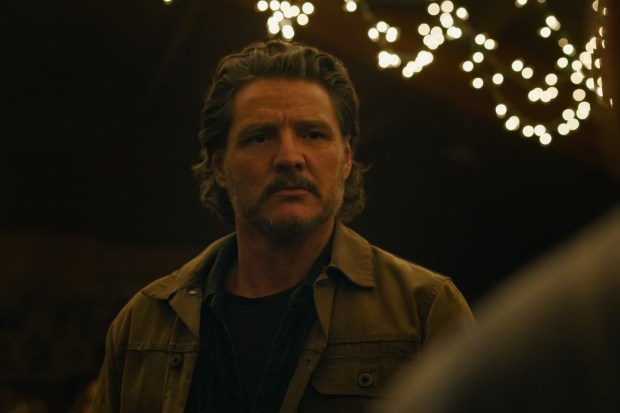
The performance translate differently from video game to show as each character is more fleshed out. Bella Ramsey, despite many believing she was ‘miscast’ delivers a great performance. One that depicts a raw, wounded, and terrifyingly determined individual with moments of hope for the future. Ellie at this point his a hurricane full of emotions and Ramsey truly provides the audience with someone emotionally charged with conflicting goals. Pedro Pascal screen time as Joel is shorter this season but has an impact that remains deeply felt from each line delivered and gesture with gravitas. Newcomer Kaitlyn Dever, cast as Abby, needs to be studied. She may not have the physique that displays her determination and other aspects of her life, but Dever provides the layers of emotional depth and vulnerability to a character many fans disdained due to her actions of taking Joel’s life.
Additionally, Isabela Merced as Dina shines brighter than video game counterpart as she brings a lively personality that will instantly steal your heart from the first time she shows up on screen. Gabriel Luna as Tommy delivers a quietly devastating performance that you seen someone who was a stoic leader who is now grappling with grief, survivor’s guilt and fractured hope. He remains that vital emotional anchor who stands at the edge of the narrative. Jeffrey Wright as Isaac and Young Kim as Jesse equally brings a strong presence with standout performances. These characters feel lived-in, essential, and never overshadowed by the show’s heavyweights.
While Season 2 deserves praise for its daring storytelling, some viewers may find its structure disorienting. The midseason shift in perspective, though narratively essential, is jarring. Certain pacing issues and brief character arcs could have used more breathing room. However, these are minor blemishes in an otherwise brilliant season.
Season 2 of The Last of Us is not here to please—it’s here to provoke. It’s a bold, heart-wrenching, and at times devastating journey that dares to question what it means to survive and forgive. HBO and the showrunners continue to redefine what prestige television can be, and in doing so, they elevate video game storytelling into something transcendent.
Rating:

 Sparx Entertainment
Leave a comment